The Geology Beneath Your Home: Roanoke Valley Clay and Limestone
If you live in Roanoke, you already know the landscape is beautiful, but the ground beneath your home tells a more complex story. The Roanoke Valley is underlain by a mix of expansive clay soils and limestone bedrock, a combination that creates unique challenges for foundations. Clay swells when it absorbs water and shrinks as it dries, a cycle that repeats with every wet and dry season. Limestone, on the other hand, can dissolve over time, creating voids and uneven support. Together, these two geological features make Virginia soil movement a leading cause of foundation problems in the region.
Understanding this geology is the first step toward protecting your home. When clay expands, it pushes against foundation walls with tremendous force. When it contracts, it leaves gaps that allow water to penetrate. Limestone areas can develop sinkholes or settling that shifts the entire structure. Homeowners in Salem and Vinton face the same conditions, which is why foundation issues are so common across the valley. Recognizing the signs early can save you from costly repairs later.
How Roanoke Foundation Cracks Form and Why They Matter
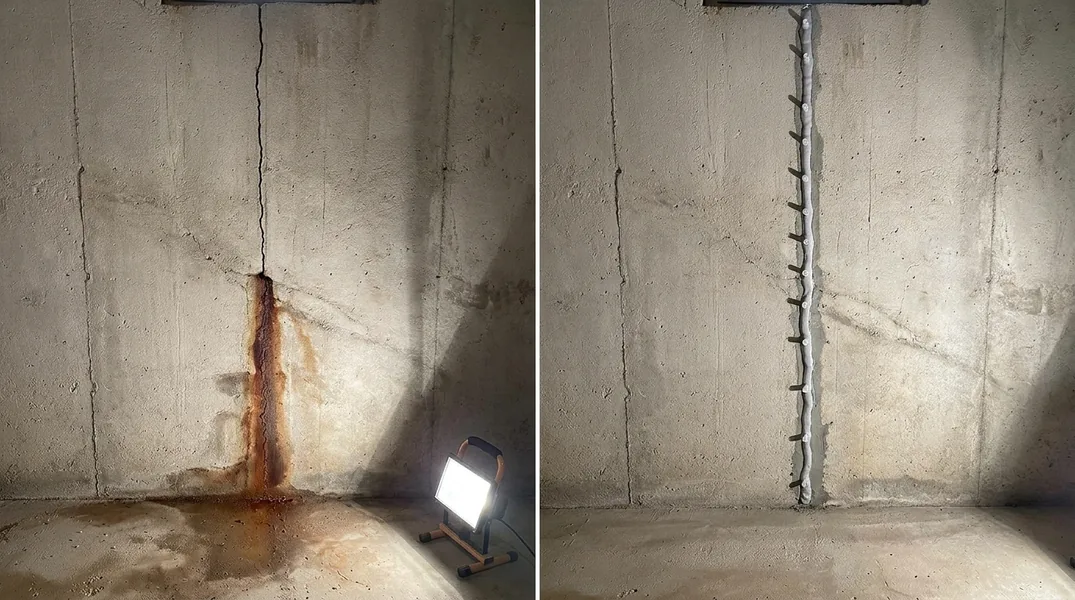
Roanoke foundation cracks are more than an eyesore; they are often the first visible symptom of underlying soil movement. As the clay beneath your home expands and contracts, it exerts uneven pressure on foundation walls. This stress can cause horizontal cracks, vertical cracks, and stair-step cracks in brick or block foundations. Horizontal cracks are particularly concerning because they often indicate hydrostatic pressure from saturated soil, which can lead to structural failure if left unaddressed. Vertical cracks may be less urgent but still allow water and pests to enter.
Ignoring these cracks can lead to a cascade of problems. Water seeping through foundation cracks can weaken the structure, promote mold growth, and damage stored belongings. In severe cases, foundation movement can cause doors and windows to stick, floors to become uneven, and chimneys to pull away from the house. If you notice any of these signs, it is wise to consult a professional. Foundation Waterproofing can address both the cracks and the underlying water issues, helping to stabilize your home and prevent further damage.
Limestone Basement Leaks: When Water Finds a Way
Limestone basement leaks are a direct consequence of the valley's geology. Limestone is porous and soluble, meaning water can travel through it and even dissolve it over time. In areas where limestone is close to the surface, groundwater can move unpredictably, finding its way into basements through cracks, joints, and porous concrete. This is especially common after heavy rains, when the water table rises and puts additional pressure on foundation walls. Homeowners in Troutville and other parts of the valley often notice dampness, efflorescence (white powdery deposits), or actual water intrusion during wet seasons.
Addressing limestone-related leaks requires more than just patching cracks. The goal is to manage water before it reaches your foundation. Exterior Basement Waterproofing involves sealing walls, installing drainage systems, and redirecting surface water away from the home. In some cases, interior solutions are also needed to handle water that already enters. A comprehensive approach ensures that your basement stays dry regardless of what the limestone beneath is doing.
Basement Leak Causes in Roanoke: More Than Just Soil
While clay and limestone are major contributors, basement leak causes in Roanoke go beyond geology. Poorly graded soil around the foundation, clogged gutters, and downspouts that discharge too close to the house can all funnel water toward your basement. Older homes may have inadequate or failing waterproofing systems, and even newer homes can suffer from construction defects or settling. Hydrostatic pressure from saturated soil is another common culprit, especially during the spring when snowmelt and heavy rains combine. All of these factors can work together to create a persistent moisture problem.
Identifying the specific cause of your leak is essential for choosing the right solution. A professional assessment can determine whether the issue is surface water, groundwater, or structural. For many homeowners, an Interior Drain Tile System is an effective way to capture water that enters the basement and direct it to a sump pump. Others may need exterior repairs or a combination of methods. The key is to address the source, not just the symptom.
Basement Waterproofing Near Me: When to Call a Professional
If you are searching for "basement waterproofing near me" in Roanoke, you are likely dealing with one or more of the issues described above. It can be tempting to try DIY fixes, but foundation and waterproofing problems are rarely solved with a tube of sealant. The forces at work, from expansive clay to hydrostatic pressure, require engineered solutions that account for your home's specific situation. A professional can assess the soil, the foundation type, and the water patterns to recommend the most effective and lasting repair.
Roanoke Waterproofing specializes in diagnosing and solving these local challenges. Our team understands the valley's geology and has helped countless homeowners protect their investments. Whether you need Basement Waterproofing for a damp crawl space or full foundation repair, we offer tailored solutions. We also provide transparent pricing so you know what to expect. Don't wait for a small crack to become a major problem. Call us at (540) 900-0386 or request a free estimate today.
Looking for a professional basement waterproofing contractor in Roanoke? Roanoke Waterproofing responds fast for all your basement waterproofing needs.
Get a Free QuoteOur services: Basement Waterproofing · Interior Drain Tile System · Exterior Basement Waterproofing